You already know the rush of making a split-second in‑play call when a match tilts, and that same muscle can sharpen your online poker decisions when the action speeds up on mobile tables (findet man auf poker24).
What follows is a practical, research‑backed way to channel live‑betting habits into clearer micro‑decisions at the felt, grounded in current regulator and industry data plus peer‑reviewed insights on in‑play behavior.
Live edge and poker precision
The European online channel accounted for a provisional 39 percent of total gambling revenue in 2024, and 58 percent of that online play happened on mobile, which means more short sessions and more time pressure that reward compact decision systems.
In this setting, think of each poker action as your in‑play pre‑bet moment, where a quick triage protects you from autopilot while keeping pace with the table. To make that triage real, tie it to how in‑play bettors handle price, context and confidence under the clock, then translate each term to pot odds versus ranges, board texture versus position and a simple threshold that determines whether you check, bet small or size up.
Here is a one‑screen checklist you can use before every action, built to match the pace of mobile sessions and the snap judgments common during in‑play betting.
- Price. Compare pot odds to your equity estimate against a plausible range, and do not proceed if the math is out of line.
- Context. Weigh board texture and position to see if your story is credible now and on the next card.
- Confidence. Tie bet size to clarity, using your smallest value when uncertain and reserving large sizes for clear range advantages.
There is another reason this compact method helps right now. Online poker remains a smaller slice of Europe’s online market than casino and sports, so your edge often comes from picking the right spots rather than firing constantly, especially in traffic spikes around big matches. In practice, that means fewer marginal bluffs, more value extraction in position and more disciplined folds when the numbers and context fail the triad.
Tempo, tilt and timeouts
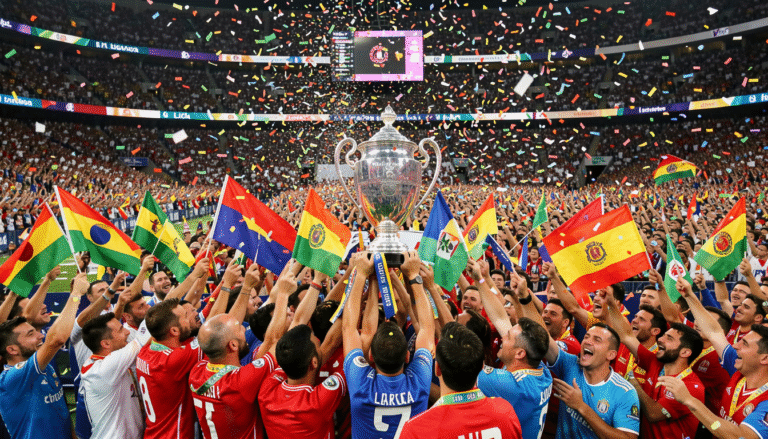
Big events concentrate attention and speed, and Germany’s UEFA Euro 2024 window was a classic example, with the national sports betting association estimating up to €1 billion in stakes and warning that a sizeable portion could leak to unlicensed operators without careful oversight. That tells you two things for poker. Pressure rises with event windows, and the smartest routines keep you operating inside licensed environments with clear rules and tools.
Germany’s regulator has leaned into that clarity, with the GGL’s 2024 activity reporting underscoring ongoing market supervision and actions that shape the environment in which live betting and adjacent online products operate. For you, that is a nudge to use platform tools like timeouts and session reminders the way you would use halftime or a drinks break to reset your attention during a match.
Peer‑reviewed research adds an important caution. In‑play bettors show higher scores on the Problem Gambling Severity Index and broader harm correlates, which means pace can erode judgment if you do not manage it deliberately. So set a simple cadence before you log in, such as a fixed number of hands or two orbits followed by a one‑minute check, then stick to it when the table speeds up around a dramatic sports moment. You are not slowing yourself down to be cautious, you are controlling tempo so your next action is informed rather than reactive.
Bankrolls meet match clocks
Treat your bankroll like a match broken into segments, with fixed unit sizes and limited re‑entries, so downswing does not define the entire evening or push you into chasing during high‑emotion windows.
The UK Gambling Commission’s official participation statistics confirm how mainstream and time‑bound betting behavior can be, with 12 percent of adults reporting betting in the last four weeks between April and July 2024 and online gambling participation at 37 percent overall, which is a helpful reminder that many sessions are short and routine rather than endless marathons. That rhythm supports a segmented bankroll, where you decide the number of units for a session and end the session if you lose them, just as you would cap in‑play exposure across a match.
Because online poker is a relatively small share of Europe’s online revenue compared with casino and sports, your best returns tend to come from selectivity, not volume. Borrow the in‑play stake ladder by tying bet sizes to clarity and capping total re‑buys per segment, which keeps your decision quality high even when traffic and emotions spike during televised sports. If that sounds strict, remember you are buying consistency, which is what converts a few strong hands into a winning session over time.
There is also a safety dimension worth keeping in your routine. Germany’s regulator continues to highlight actions against illegal offers, and staying within licensed rooms during busy sports calendars gives you clearer tools, clearer rules and a better chance to keep poker fun. That certainty is a competitive advantage when the match pace picks up and you are balancing two screens and a fast table.
Play the pace and win the hand
The through‑line is simple. Take the best parts of in‑play betting, like fast triage, steady pacing and segmented staking, and apply them to each street so your micro‑decisions stay sharp on mobile, especially when a big game is on. The market conditions support this approach, with mobile’s share of online play at a provisional 58 percent in 2024 and robust regulatory oversight in Germany encouraging safer, more structured sessions. Set your pre‑action triad, schedule your timeouts and decide your units before you log in, then let the match set the mood while you set the rules.
There is a final upside that often gets overlooked. Systems like these scale, which means the same triad, pacing and staking will serve you in casual weeknight sit‑and‑gos and in busier weekend tournaments without rewriting your playbook.
If the match sets the tempo, who do you want deciding your next click?
About the Author